About Foot Valve Dosing Pumps
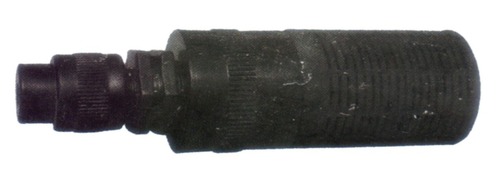
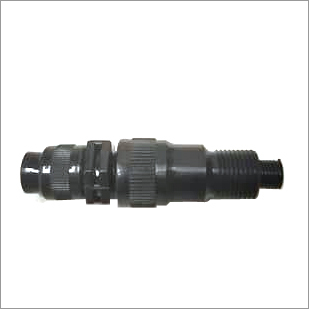
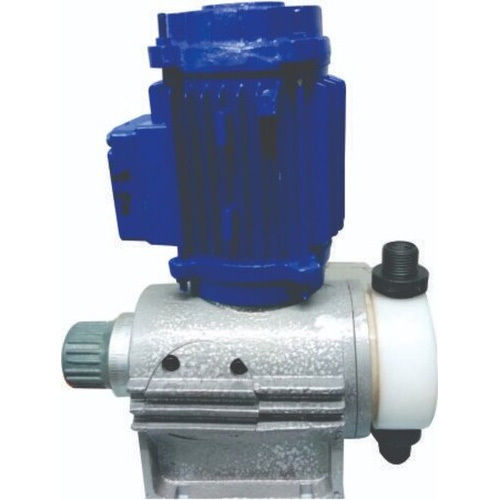
With an objective to meet ever-evolving demands of customers, w have been able to manufacture and supply Foot Valve Dosing Pumps to our prestigious clients. These pumps can be used in chemical tanks and suction lanes. They are highly beneficial to protect suction line from drying and protecting metering pump from coarse particles of solid. In addition to this, Foot Valve Dosing Pumps are designed with aid of latest tools and technology to impart excellent functionality to it.
Features:
- Priming aid
- Comes with filter meshes and ball check
- Sturdy construction
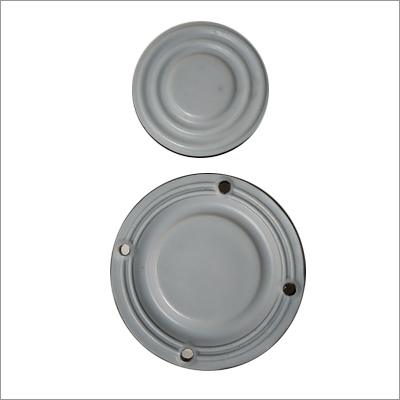
High Customizability and DurabilityThe dosing pumps come in various head and seal materials such as PP, PVC, PVDF, and SS316, ensuring compatibility with different fluids and operational needs. Designed for industrial and water treatment environments, they offer superior corrosion resistance and leak-proof operation, providing reliability even in demanding settings.
Versatile Installation and OperationThese pumps support both foot and wall mounting options for flexible installation, with horizontal setup making maintenance straightforward. Their positive suction and self-priming features ensure efficient performance. With a wide voltage range (220V/380V) and manual or automatic control, they adapt easily to various operational requirements.
Reliable Performance and Easy MaintenanceOperating under discharge pressures up to 10 bar and capable of variable speeds, these dosing pumps can be fine-tuned to meet specific site demands. The construction emphasizes leak-proof design, low noise, and easy maintenance, all adhering to ISO 9001:2015 standards for consistent, high-quality operation.
FAQ's of Foot Valve Dosing Pumps:
Q: How do I select the right Foot Valve Dosing Pump model for my industrial application?
A: Selection depends on your required flow rate, head, compatible pump head material, and inlet/outlet size. Consider factors such as fluid type, temperature (0C to 80C), installation method, control system (manual or automatic), and required pressure (up to 10 bar). Consult with the manufacturer or supplier for precise model recommendations as per your needs.
Q: What are the benefits of using a self-priming and positive suction dosing pump?
A: Self-priming and positive suction designs ensure the pump draws fluid effectively without manual intervention, making startup easier and minimizing downtime. This is especially beneficial for water treatment plants and industrial applications, promoting operational efficiency and reliability.
Q: Where can these dosing pumps be installed, and what are the mounting options?
A: These pumps are designed for horizontal installation and can be mounted on the floor or wall, making them suitable for limited spaces in industrial and water treatment facilities. Their flexible mounting options ensure compatibility with various operational layouts.
Q: What materials are available for pump heads and seals, and why is it important?
A: Pump heads are available in PP, PVC, SS316, and PVDF, with seals in PTFE, EPDM, or Viton. Material selection ensures chemical compatibility, corrosion resistance, and extended pump life, especially when handling aggressive or sensitive fluids.
Q: How is maintenance managed for these dosing pumps?
A: These pumps are designed for easy maintenance, with leak-proof construction, accessible parts, and corrosion-resistant components. Regular inspection and timely replacement of seals ensure optimal performance and prevent downtime.
Q: When should customized models or calibers be considered?
A: Customized models are ideal when standard sizes or configurations do not meet your specific flow rate, pressure, connection type, or chemical compatibility requirements. Manufacturers and distributors in India provide tailored solutions for unique industrial needs.
Q: What safety measures are included in the Foot Valve Dosing Pump?
A: These pumps feature IP55 protection against dust and water ingress, ensuring safe operation in harsh environments. Adherence to ISO 9001:2015 standards further assures quality, while leak-proof design minimizes risks associated with fluid handling.
 Mon-Sat 10.00 AM to 6.30 PM
 08045478381




 Send Inquiry


 Send Inquiry
 Send Inquiry
 Send SMS
 Call Me Free


